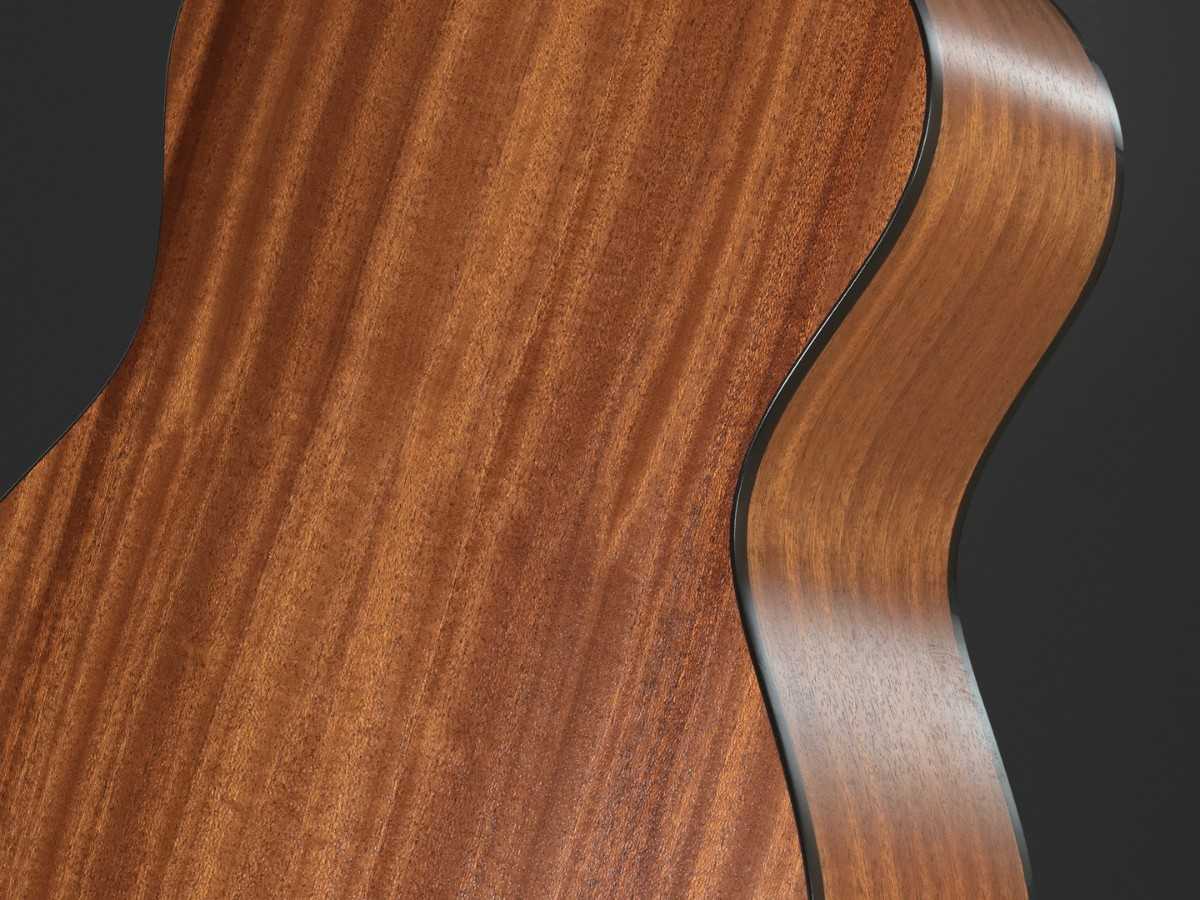
When it comes to crafting high-quality guitars, the choice of guitar edging can significantly impact both the aesthetics and durability of the instrument. Plain koa binding has emerged as a popular choice among luthiers and woodworkers due to its elegant appearance and versatility. Its consistent color and smooth grain make it ideal for creating a polished, professional look that enhances the overall design of the guitar.
Table of Contents
- Understanding Plain Koa Binding
- The Role of Binding in Guitar Making
- Why Choose Koa for Guitar Binding
- The Difference Between Plain and Figured Koa Binding
- Sourcing Quality Koa Binding
- Working with Plain Koa Binding
- Comparing Koa Binding with Other Options
- Caring for Koa Binding
- FAQs
- What is guitar binding and why is it important?
- Why do luthiers prefer koa for binding?
- What is the difference between plain and figured koa?
- Does binding affect the sound of a guitar?
- Where can I source high-quality koa guitar edging?
- Is koa suitable for both acoustic and electric instruments?
- Why is koa preferred over ebony or rosewood for binding?
- FAQs
- Conclusion
In this guide, we’ll explore what plain koa binding is, how it compares with other types of guitar binding, and why it continues to be a favorite in the world of tonewoods. We will also look at its applications, advantages, and tips for working with this beautiful Hawaiian hardwood to help wood and guitar makers make informed choices for their instruments.
Understanding Plain Koa Binding
Koa guitar binding refers to the strips of wood used along the edges of a guitar’s body to enhance both its visual appeal and structural integrity. As highlighted throughout this guitar binding guide, koa is a Hawaiian hardwood known for its warm tonal qualities and attractive grain, providing a refined alternative to more traditional bindings like maple or rosewood . Plain koa binding is particularly valued for its consistent color and subtle, refined look, as opposed to figured koa binding, which displays more pronounced patterns and variations.
Luthiers and guitar makers often choose plain koa binding for instruments where a clean, understated edge complements the overall design. Its natural resilience makes it a durable option that withstands the stresses of guitar construction and regular playing.
The Role of Binding in Guitar Making
Binding serves both aesthetic and functional purposes. On the functional side, it reinforces the edges of the guitar, protecting the body from chipping and damage. A well-chosen guitar edging, such as ebony guitar or rosewood, can significantly enhance the guitar’s longevity. Aesthetically, the right binding complements the guitar’s top, back, and sides, highlighting the beauty of the wood and giving the instrument a professional, finished appearance.
Guitar binding also acts as a visual frame, making the wood’s grain and finish pop. For example, plain koa binding on a mahogany body offers subtle elegance, while figured koa binding might create a more dramatic, eye-catching effect.
Why Choose Koa for Guitar Binding
Koa is a highly sought-after tonewood in the guitar-making industry. Its combination of strength, workability, and tonal properties makes it ideal for both solid-body and acoustic instruments.
Some of the reasons luthiers prefer koa guitar binding include:
- Natural beauty: Even plain koa offers a warm, golden-brown hue that deepens over time.
- Durability: Koa’s dense grain resists wear and maintains its shape.
- Tonal enhancement: While subtle, koa can influence the guitar’s resonance, contributing to a balanced sound.
Compared to other popular bindings, like maple, koa provides a more tropical, rich aesthetic. Rosewood and ebony are also excellent choices, but koa’s unique look sets it apart.
The Difference Between Plain and Figured Koa Binding
Understanding the distinction between plain and figured koa is crucial for guitar makers. Plain koa binding has a consistent, uniform appearance, making it suitable for minimalist or classic guitar designs. On the other hand, figured koa binding features swirling grain patterns and natural variations, which can produce a striking visual effect on the instrument’s edges.
While both types of koa provide durability and tonal benefits, the choice largely depends on the desired aesthetic. Luthiers may even combine plain with a figured koa binding accent for a more dynamic look.
Sourcing Quality Koa Binding
Acquiring high-quality koa guitar binding starts at the sawmill. A reputable supplier, such as Pacific Rim Tonewoods, ensures that each strip of wood meets strict standards for straightness, grain consistency, and moisture content. Buying from experienced tonewood suppliers reduces the risk of defects and guarantees materials suitable for professional-grade instruments.
Working with Plain Koa Binding
Crafting with plain koa binding requires precision and care. Due to koa’s hardness, cutting and shaping must be done with sharp, quality tools. Proper sanding and finishing are essential to highlight the wood’s natural beauty and ensure a smooth transition between the binding and the guitar body.
Luthiers often pair plain binding with other tonewoods to create contrast and visual interest. For instance, a spruce top with plain binding and a mahogany back can result in a guitar that is both visually stunning and acoustically balanced.
Comparing Koa Binding with Other Options
When deciding on the right guitar binding, makers often compare koa with more traditional choices:
- Maple binding: Known for its bright, reflective qualities, maple provides a crisp visual edge.
- Rosewood guitar binding: Offers darker tones and a rich, classic aesthetic.
- Ebony guitar binding: Provides a sleek, black accent, ideal for modern or high-contrast designs.
While these options are excellent, plain koa binding offers a unique balance of warmth, durability, and understated elegance. Many luthiers appreciate koa’s subtle tonal influence, which complements a variety of guitar tops and bodies.
Caring for Koa Binding
To preserve the beauty of koa guitar binding, regular care is essential. Cleaning with a soft cloth and mild wood-safe polish helps maintain the wood’s luster. Avoid excessive moisture or harsh chemicals, as these can damage both plain and figured koa. Proper storage and maintenance ensure that the guitar’s edging continues to enhance the guitar’s appearance for decades.
FAQs
What is guitar binding and why is it important?
Guitar binding protects the edges of a guitar while enhancing its visual appeal. It also helps seal tonewoods and improves durability over long-term use.
Why do luthiers prefer koa for binding?
Koa is valued for its durability, smooth grain, and warm visual character. It offers a refined look that complements both traditional and modern guitar designs.
What is the difference between plain and figured koa?
Plain koa has a consistent color and uniform grain, while figured koa displays natural patterns and visual movement that create a more decorative appearance.
Does binding affect the sound of a guitar?
Binding can have a subtle impact by strengthening the edges of the instrument, which helps maintain resonance and structural stability over time.
Where can I source high-quality koa guitar edging?
Reputable sawmills and tonewood suppliers like Pacific Rim Tonewoods provide high-quality koa strips suitable for professional guitar making.
Is koa suitable for both acoustic and electric instruments?
Yes, koa works well across different instrument types due to its strength, stability, and ability to complement various body styles.
Why is koa preferred over ebony or rosewood for binding?
Koa offers a unique balance of visual appeal, workability, and subtle tonal influence, making it a preferred choice for luthiers seeking elegance without stark contrast.
Conclusion
Plain koa binding is more than just an aesthetic choice—it’s a combination of artistry and functionality. Its consistent, natural beauty, combined with durability and subtle tonal enhancement, makes it a preferred material for guitar makers seeking a refined, professional look. Whether used alone or alongside other tonewoods like maple, rosewood, or ebony, koa offers versatility and elegance that few other woods can match.
For guitar makers and woodworkers looking for reliable, high-quality tonewoods, sourcing from trusted suppliers like Pacific Rim Tonewoods ensures that every piece of koa guitar binding meets professional standards and contributes to the creation of instruments that will be treasured for years to come.