As data demand continues to grow across Canada, data centers are under increasing pressure to operate efficiently while minimizing environmental impact. The need for smarter thermal management has never been more critical. Traditional air-based approaches struggle to keep up with high-density computing environments, prompting a shift toward more advanced methods such as liquid cooling datacenter solutions.
Table of Contents
- Understanding Modern Data Center Thermal Challenges
- What Makes Liquid-Based Solutions Different
- Limitations of Conventional Cooling Approaches
- Why Cooling Systems Matter in Modern Data Centers?
- The Energy Efficiency Benefits of Liquid Cooling Systems
- Environmental Impact and Sustainability
- Infrastructure Considerations
- Initial Investment vs Long-Term Savings
- The Future of Data Center Cooling Solutions
- Conclusion
Understanding Modern Data Center Thermal Challenges
Rising Heat Loads in High-Density Environments
Modern data centers host increasingly powerful hardware, including AI workloads, high-performance computing, and cloud services. These technologies generate significant heat, making temperature management more complex. Among these innovations, liquid cooling systems have emerged as a transformative solution.
Air has a lower heat capacity than liquids, leading to higher energy consumption and uneven temperature distribution. They offer improved thermal performance, reduced energy consumption, and greater scalability for modern facilities. This shift is not just about managing heat—it is about redefining how data centers achieve sustainability and cost efficiency.
Energy Consumption Concerns
Thermal management can account for a large portion of a data center’s total energy use. Improving efficiency in this area directly impacts operational sustainability.
Inefficient systems lead to:
- Increased electricity costs
- Higher carbon emissions
- Reduced equipment lifespan
What Makes Liquid-Based Solutions Different
Superior Heat Transfer Capabilities
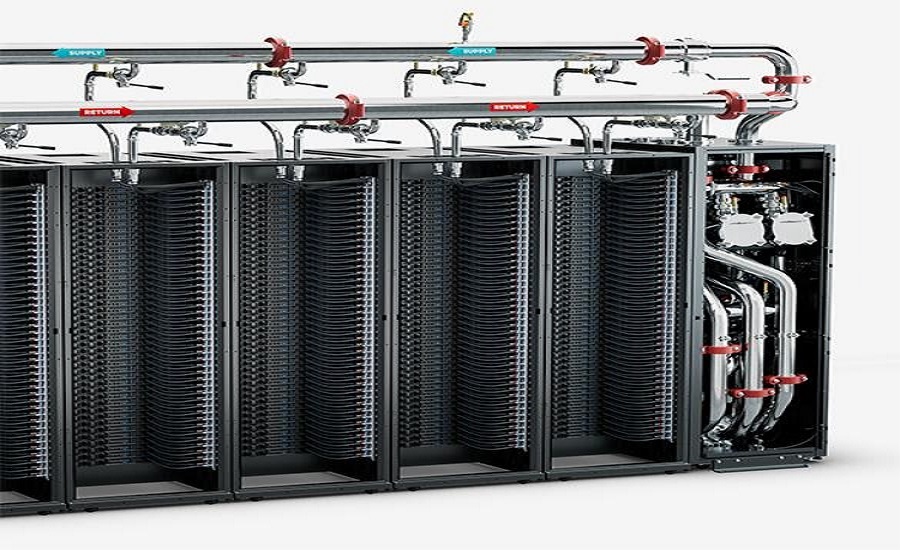
Liquids are far more effective at transferring heat than air. This allows systems to remove heat directly from critical components, reducing the need for extensive airflow. In datacenter liquid cooling, fluids absorb heat at the source, ensuring consistent temperature control and minimizing hotspots. This targeted approach leads to better performance and lower energy usage.
Reduced Dependency on Airflow
Air-based systems require large fans and extensive ducting, which consume additional power. By contrast, liquid-based methods significantly reduce reliance on these components, improving overall efficiency.
Limitations of Conventional Cooling Approaches
Air-based systems have served the industry for decades, but their limitations are becoming more apparent as workloads intensify. These constraints make it harder to achieve optimal performance while keeping energy usage under control.
Key Challenges
- Inefficient heat transfer compared to liquid mediums
- High energy consumption from fans and air circulation systems
- Difficulty maintaining uniform temperatures in dense environments
- Increased reliance on large physical infrastructure
Why Cooling Systems Matter in Modern Data Centers?
The Growing Energy Challenge
Data centers are among the most energy-intensive infrastructures in the modern economy. A significant portion of this energy is dedicated to maintaining optimal temperatures for servers and networking equipment. Traditional cooling systems for data centers often rely on air circulation, which becomes increasingly inefficient as computing densities rise.
High-density workloads generate concentrated heat that air struggles to dissipate effectively. This results in higher energy consumption, increased operational costs, and limitations on infrastructure scaling.
The Role of Cooling in Overall Efficiency
Cooling directly affects a facility’s Power Usage Effectiveness, a key metric for measuring data centre efficiency. The lower the PUE, the more efficiently a data centre operates. Conventional air-based systems typically require more energy to move and chill air, making it difficult to achieve optimal PUE levels. This is where cooling systems begin to reshape the landscape.
The Energy Efficiency Benefits of Liquid Cooling Systems
Reduced Power Consumption
One of the most significant advantages of liquid cooling datacenter solutions is their ability to lower energy usage. Liquids transfer heat more efficiently than air, meaning less energy is required to achieve the same cooling effect.
This leads to:
- Lower electricity bills
- Reduced reliance on mechanical chillers
- Improved overall system efficiency
Improved Power Usage Effectiveness
By reducing the energy required for cooling, datacenter liquid cooling helps facilities achieve lower PUE values. Many modern data centers using advanced technologies report PUE levels approaching 1.1 or even lower, compared to traditional facilities that often exceed 1.5.
Enhanced Thermal Management
Cooling systems for data centers must handle increasing heat loads from high-performance computing. It ensures consistent temperature control, preventing hotspots and maintaining optimal operating conditions. This stability reduces the risk of equipment failure and improves the lifespan of critical infrastructure.
Environmental Impact and Sustainability
Lower Carbon Footprint
Energy-efficient thermal management directly reduces greenhouse gas emissions. Facilities that adopt liquid-based data center cooling solutions can significantly reduce their environmental impact. This aligns with Canada sustainability goals and corporate responsibility initiatives.
Reduced Water and Resource Usage
While it may seem counterintuitive, advanced liquid-based systems can use less water overall than traditional evaporative methods. Closed-loop designs minimize waste and improve resource efficiency.
Infrastructure Considerations
Integration with Existing Systems
Transitioning to liquid cooling systems does not always require a complete overhaul. Many solutions can be integrated into existing setups, allowing facilities to upgrade gradually. However, proper planning is essential to ensure compatibility and maximize benefits.
Space Optimization
Liquid-based approaches reduce the need for large air handling units and extensive ductwork. This frees up valuable floor space, allowing for more efficient facility design.
Maintenance and Reliability
Modern systems are designed for reliability and ease of maintenance. Leak detection technologies and robust engineering ensure safe operation.
Initial Investment vs Long-Term Savings
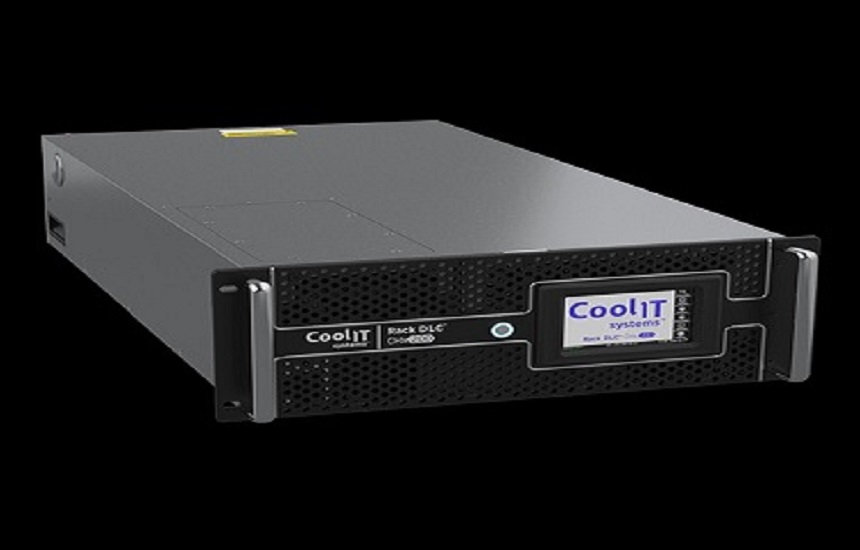
While the upfront cost of implementing advanced cooling technologies may be higher, the long-term savings often outweigh the initial investment. Over time, reduced energy consumption and improved system reliability contribute to lower operational expenses and a stronger return on investment, especially when leveraging proven solutions from CoolIT Systems.
Benefits include:
- Lower energy bills
- Reduced maintenance costs
- Longer equipment lifespan
Operational Efficiency Gains
By improving thermal management, facilities can operate more efficiently and handle higher workloads without increasing energy consumption. This makes liquid-based solutions a strategic investment for future growth.
The Future of Data Center Cooling Solutions
Increasing Adoption of Liquid Cooling
As data centers continue to evolve, liquid cooling systems are becoming a standard rather than an alternative. The shift toward high-density computing and sustainability is driving widespread adoption.
Innovations in Cooling Technologies
Ongoing advancements in advanced cooling technologies are enhancing the performance and efficiency of cooling solutions. From improved coolant formulations to smarter control systems, the future of cooling is both innovative and sustainable.
Frequently Asked Questions
What makes liquid cooling systems more energy efficient than air cooling?
Liquid cooling systems transfer heat more effectively than air due to higher thermal conductivity. This reduces the energy required for cooling and improves overall data centre efficiency.
Are liquid cooling systems suitable for all data centers?
Liquid cooling systems can be implemented in most modern centers, especially those with high-density workloads. They are also adaptable for both new builds and upgrades of existing facilities.
How does liquid cooling impact operational costs?
While initial setup costs may be higher, it reduces ongoing energy consumption and maintenance needs. Over time, this leads to significant cost savings and improved return on investment.
Is liquid cooling safe for data center equipment?
Modern liquid cooling infrastructure is engineered with secure, closed-loop designs to prevent leaks. Proper installation and monitoring ensure safe and reliable operation for sensitive equipment.
Can liquid cooling support sustainability goals?
Liquid cooling systems help reduce energy usage and lower carbon emissions. This makes them a strong choice for organizations aiming to meet environmental and sustainability targets.
Conclusion
Liquid-based thermal management is reshaping how data centers operate, offering a more efficient and sustainable alternative to traditional methods. The transition to liquid cooling datacenter systems represents a significant step forward in improving energy efficiency, reducing environmental impact, and meeting the demands of modern computing. By addressing the limitations of cooling systems, liquid cooling offers a scalable, cost-effective, and sustainable solution for today’s data centers.